Introduction
Every tax filing season brings the same headache — old vs new tax regime, which one should you pick? The government keeps tweaking both, and what worked for you two years ago might not be optimal anymore. Let’s break down how to actually decide, rather than just guessing.
The Basic Difference
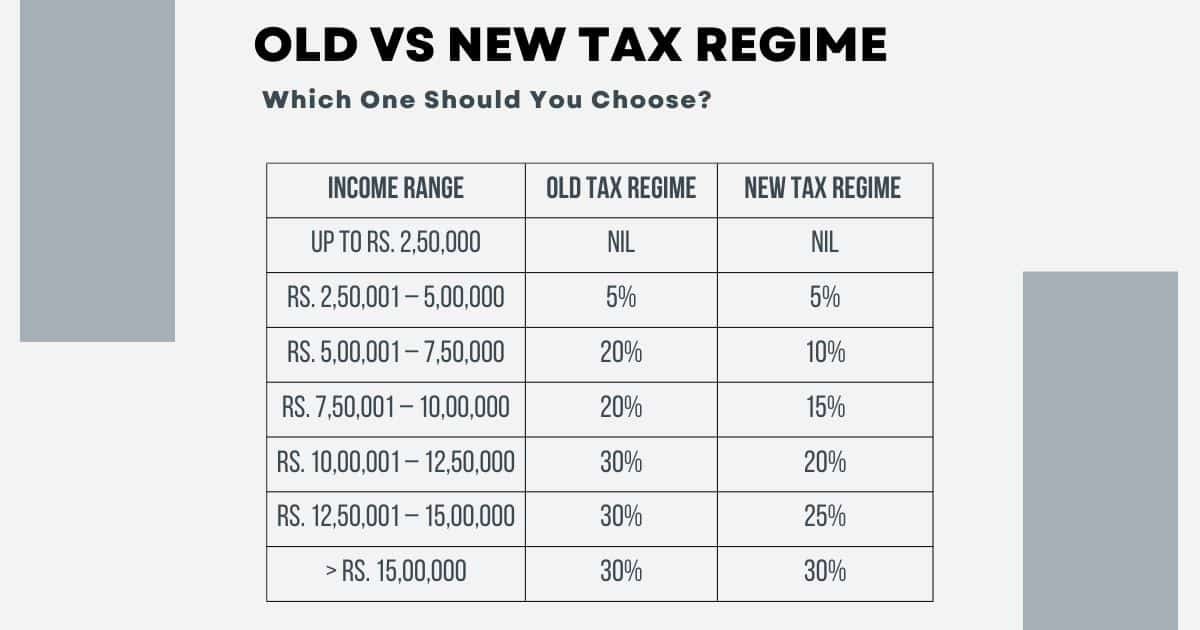
The old tax regime offers higher tax rates but allows numerous deductions and exemptions like Section 80C, HRA, and home loan interest, while the new tax regime offers lower tax rates but strips away most of these deductions.
Who Benefits From the Old Regime
If you’re someone who actively invests in tax-saving instruments — PPF, ELSS, life insurance premiums — and also claims HRA or home loan interest deductions, the old regime often works out cheaper despite higher slab rates. The deductions genuinely add up.
I’ve noticed salaried employees with home loans almost always come out ahead sticking with the old regime, purely because home loan interest deduction alone can be substantial.
Who Benefits From the New Regime
If you don’t have significant investments or deductions to claim — say, you’re early in your career without a home loan, and haven’t started serious tax-saving investments yet — the new regime’s lower slab rates often result in less tax paid overall, without the hassle of proving deductions.
A Practical Example
For someone earning ₹12 lakh annually with ₹1.5 lakh in 80C investments and ₹2 lakh home loan interest deduction, the old regime often results in noticeably lower tax than the new regime, thanks to those combined deductions.
For someone with the same ₹12 lakh income but no major deductions to claim, the new regime typically works out cheaper due to its lower base rates and increased basic exemption threshold.
The general rule: if your total deductions (80C, HRA, home loan interest, etc.) exceed roughly ₹3.5-4 lakh, the old regime usually wins; below that threshold, the new regime tends to be more tax-efficient.
Deductions Available Only in the Old Regime
- Section 80C (up to ₹1.5 lakh): PPF, ELSS, life insurance, etc.
- HRA exemption for salaried employees paying rent
- Home loan interest deduction under Section 24
- Section 80D for health insurance premiums
- Standard deduction (available in both regimes now)
[link to related guide on Section 80C investment options here]
Can You Switch Between Regimes Every Year
Salaried individuals can switch between old and new regimes each financial year when filing returns. Business owners and professionals, however, face restrictions — once they opt out of the new regime, switching back has limitations. This flexibility for salaried employees is worth using strategically.
Using an Online Calculator Before Deciding
Rather than manually calculating both scenarios, use the income tax department’s official calculator or a trusted finance app to compare both regimes with your actual numbers before filing. Picture running your specific salary, deductions, and investments through a calculator — it takes two minutes and removes all the guesswork.
FAQs
Can I choose a different regime every year? Yes, for salaried individuals, you can choose the regime that benefits you most each financial year at the time of filing.
Is the new tax regime default now? Yes, since recent changes, the new regime is the default option unless you specifically opt for the old regime.
Do I lose HRA benefit entirely in the new regime? Yes, HRA exemption isn’t available under the new regime, which is a significant factor for salaried employees paying substantial rent.
Which regime is better for someone with no investments? Generally the new regime, since its lower rates don’t rely on deductions you’re not claiming anyway.
Does the new regime have any deductions at all? Yes, a few remain, like the standard deduction and employer NPS contribution, though most others are removed.
Conclusion
There’s no universal winner in old vs new tax regime — it genuinely depends on your specific deductions and investment habits. Run the numbers each year based on your actual income and claims, rather than sticking with whichever you picked once out of habit. A few minutes of calculation could save you a meaningful amount come tax season.