Introduction
Tax season rolls around, and suddenly everyone’s talking about “80C investments.” If you’ve ever wondered exactly how to save income tax using this section without just throwing money randomly at whatever your agent suggests, this guide breaks it down properly.
What Is Section 80C
Section 80C allows taxpayers under the old tax regime to claim deductions up to ₹1.5 lakh annually on specified investments and expenses, directly reducing their taxable income. It remains one of the most widely used tax-saving provisions in India, even after the new regime’s introduction.
Popular Instruments Under 80C
ELSS Mutual Funds — Equity-linked savings schemes come with the shortest lock-in among 80C options, just 3 years, and offer market-linked growth potential.
PPF (Public Provident Fund) — 15-year lock-in, currently around 7.1% interest, completely tax-free returns, government-backed safety.
Life Insurance Premiums — Premiums paid for yourself, spouse, or children qualify, though returns from traditional insurance plans tend to be modest.
EPF Contributions — Your mandatory Employee Provident Fund contribution automatically counts toward your 80C limit if you’re salaried.
5-Year Tax-Saving Fixed Deposits — Simple, safe, but returns are fully taxable, unlike PPF or ELSS.
Home Loan Principal Repayment — The principal portion of your EMI (not interest, which falls under Section 24) also qualifies.
Comparing Returns and Lock-In
- ELSS: Market-linked (historically 10-14% average), 3-year lock-in
- PPF: ~7.1%, 15-year lock-in, tax-free
- Tax-saving FD: 6.5-7%, 5-year lock-in, taxable returns
- Life insurance: 4-6% typically, varies by policy
I’ve noticed people often default to insurance-cum-investment products for 80C without comparing returns — pure term insurance plus a separate ELSS or PPF investment usually delivers better overall value.
Because ELSS combines the shortest lock-in period with market-linked growth potential, it’s generally considered the most efficient 80C option for investors comfortable with equity market risk.
A Smart Allocation Strategy
Picture someone with a ₹1.5 lakh 80C limit to fill: allocating ₹80,000 to ELSS for growth, ₹40,000 to PPF for stability, and letting EPF contributions (already happening automatically) cover the remainder. This balances growth potential with guaranteed safety, rather than putting everything into one instrument.
[link to related guide on ELSS vs PPF comparison here]
Common Mistakes to Avoid
Don’t wait until March to rush your 80C investments — this often leads to poor decisions made under time pressure, like buying an unsuitable insurance policy just to save tax. Spread your 80C investments across the financial year instead, ideally through SIPs.
Does 80C Apply Under the New Tax Regime
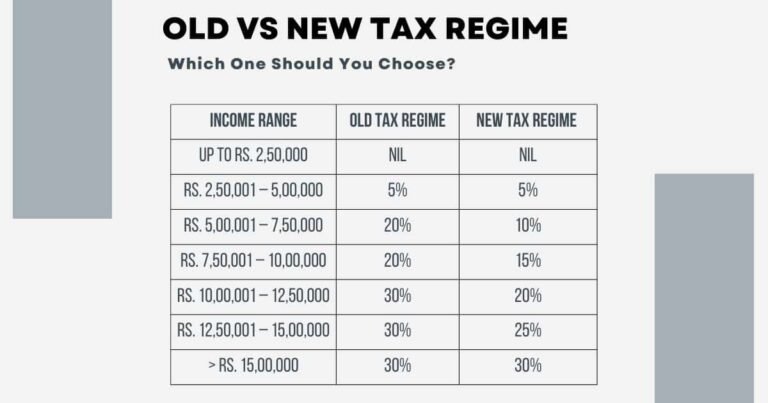
No — this is a common point of confusion. Section 80C deductions are only available if you opt for the old tax regime. If you’ve chosen the new regime, these investments won’t reduce your taxable income, though they may still be valuable for their own investment merits.
FAQs
Is the ₹1.5 lakh 80C limit per person or per family? It’s per individual taxpayer, not per family — each earning family member has their own ₹1.5 lakh limit.
Can I claim 80C for my child’s tuition fees? Yes, tuition fees paid for up to two children’s education (excluding donations or development fees) qualify under 80C.
What happens if I invest more than ₹1.5 lakh in 80C instruments? The excess amount doesn’t provide additional tax benefit under this section, though it still grows as a regular investment.
Is ELSS riskier than PPF? Yes, since ELSS is equity-linked and subject to market fluctuations, while PPF offers fixed, government-guaranteed returns.
Can NRIs claim 80C deductions? Yes, NRIs filing Indian income tax returns can claim 80C deductions on eligible investments, subject to certain restrictions on specific instruments.
Conclusion
Understanding how to save income tax under Section 80C isn’t just about hitting the ₹1.5 lakh limit — it’s about choosing the right mix of instruments for your goals and risk appetite. Spread your investments through the year, lean toward ELSS or PPF for genuine value, and avoid last-minute panic purchases that don’t actually serve your long-term financial interests.