
Introduction
A lot of people assume the stock market is only for those with big money to spare. That’s simply not true anymore. Wondering how to start investing in stock market with a small amount like ₹1000? You genuinely can, thanks to fractional investing options and low brokerage platforms that didn’t exist a decade ago.
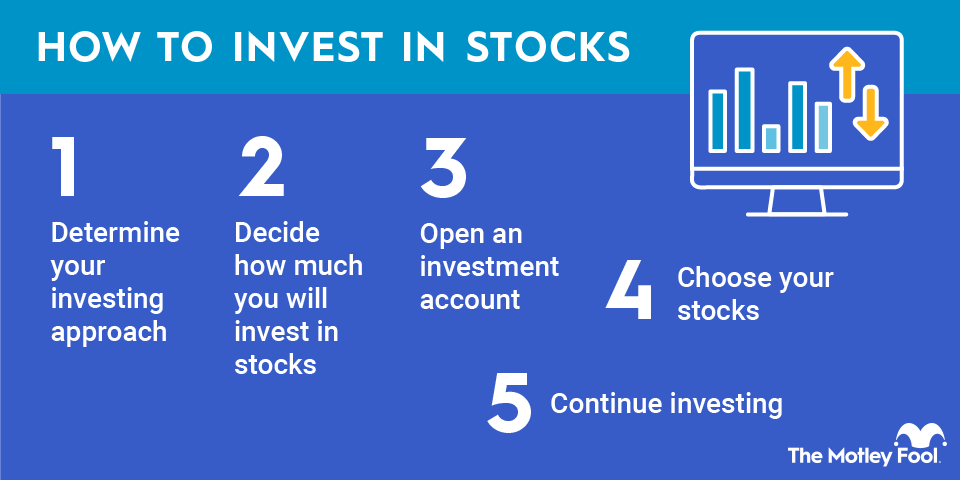
Step 1: Open a Demat and Trading Account
You can’t buy stocks without one. Platforms like Zerodha, Groww, Upstox, and Angel One let you open an account entirely online in about 10-15 minutes using your PAN and Aadhaar.
Opening a demat account today typically takes under 20 minutes online and requires just your PAN card, Aadhaar, and a bank account linked for UPI-based fund transfers.
Step 2: Complete Your KYC
You’ll need to upload your PAN, Aadhaar, a cancelled cheque or bank statement, and sometimes a short video verification. Most brokers process this within 24-48 hours now.
Step 3: Decide Your Investment Approach
With ₹1000, you have a few realistic options:
- Buy shares of a low-priced stock directly
- Invest in an ETF (Exchange Traded Fund) tracking Nifty 50 or Sensex
- Start a small SIP in an index fund instead of direct stocks
I’ve noticed beginners often rush straight to picking individual stocks, which honestly isn’t the wisest first move. An index ETF spreads your ₹1000 across the top 50 companies instead of betting on one.
Step 4: Research Before You Buy (Even With Small Amounts)
Even ₹1000 deserves some homework. Check a company’s basic fundamentals — is it profitable, how’s its debt level, what’s the general sector outlook. Free tools like Screener.in or your broker’s research section can help without needing a finance degree.
Step 5: Place Your First Trade
Once you’ve decided, placing the order takes seconds — search the stock or ETF, enter quantity, choose “market” or “limit” order, and confirm. Picture buying your first single share of a company you actually use and believe in — it’s a small but genuinely satisfying first step.
Common Beginner Mistakes to Avoid
- Chasing “hot tips” from social media or WhatsApp groups
- Checking your portfolio obsessively every hour
- Putting all ₹1000 into one volatile penny stock
- Panic selling on the first red day
[link to related guide on common stock market mistakes to avoid here]
Growing Beyond ₹1000
Once you’re comfortable, consider setting up a monthly SIP into direct stocks or index funds — even ₹1000-2000 monthly adds up meaningfully over years. The point of starting small isn’t the amount itself, it’s building the habit and understanding of how markets move.
FAQs
Can I really buy stocks with just ₹1000 in India? Yes, many stocks trade well under ₹1000 per share, and ETFs let you invest smaller fractional amounts too.
Is it safe to invest ₹1000 in the stock market? It carries the same market risk as any stock investment, just at a smaller scale — good for learning without major financial exposure.
Which app is best for beginners to start investing? Zerodha, Groww, and Upstox are commonly used for their simple interfaces and low brokerage charges.
Do I need a demat account for mutual fund SIPs too? Not necessarily — mutual fund SIPs can be done without a demat account through AMC apps or platforms like Groww.
How much money can I realistically make starting with ₹1000? Realistically, small amounts grow slowly at first — the real value comes from consistency and adding more over time, not the initial ₹1000 itself.
Conclusion
Figuring out how to start investing in stock market with limited money isn’t about the amount, it’s about starting the process and learning as you go. ₹1000 won’t make you rich overnight, and it shouldn’t — but it gets your foot in the door, builds real experience, and sets the foundation for larger, more confident investments down the line.