Introduction
You’ve probably tried budgeting before — downloaded an app, made a spreadsheet, felt motivated for exactly nine days. So what actually makes the difference between a budget that sticks and one that quietly dies by mid-month? Let’s talk about how to create a monthly budget that survives contact with real life.
Why Most Budgets Fail
Most budgets fail not because people lack discipline, but because the budget itself is unrealistic from the start — too strict, too many categories, or built around an idealized version of spending rather than actual habits.
A monthly budget is more likely to succeed when it’s built from your actual past spending data rather than an idealized estimate of what you think you should be spending.
Step 1: Track Before You Budget
Before setting any limits, spend two weeks simply tracking where your money actually goes, without judgment. Most people are genuinely surprised by at least one category — often food delivery or subscriptions quietly adding up more than expected.
I’ve noticed this step alone changes people’s spending behavior even before they set formal budget limits, just from the awareness of tracking.
Step 2: Categorize Realistically
Group expenses into broad, manageable categories — rent, groceries, transport, entertainment, subscriptions, savings — rather than dozens of micro-categories that become tedious to maintain. Simpler systems last longer.
Step 3: Apply a Framework Like 50/30/20
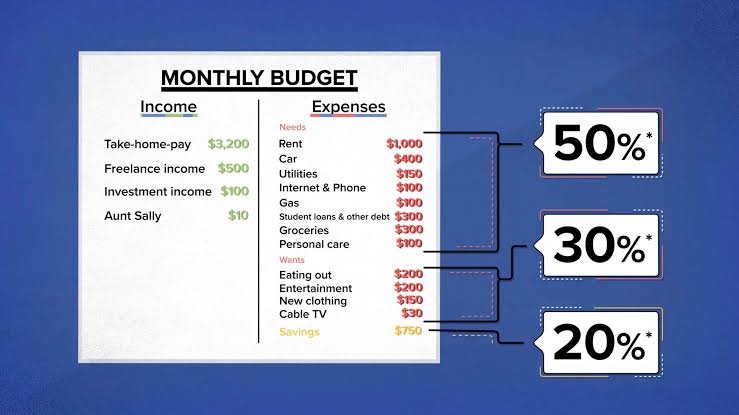
Once you know your actual spending, apply a framework like the 50/30/20 rule (50% needs, 30% wants, 20% savings) as a starting structure, adjusting the percentages based on your city’s cost of living and personal priorities.
[link to related guide on the 50/30/20 budgeting rule here]
Step 4: Automate What You Can
Set up automatic transfers for savings and fixed bills right after your salary credits. This removes the daily willpower requirement — money moves before you get a chance to spend it elsewhere.
Picture your salary hitting your account, and within an hour, your SIP, rent, and savings transfers have already happened automatically — whatever’s left is genuinely yours to spend freely without guilt.
Step 5: Build in a Buffer Category
Rigid budgets that don’t account for the occasional unplanned expense — a friend’s birthday gift, a minor repair — tend to collapse the first time something unexpected comes up. Add a small “miscellaneous” buffer, even just 5% of your income, to absorb these without derailing everything else.
Step 6: Review Weekly, Not Just Monthly
A quick 5-minute weekly check-in — did I overspend in any category this week — catches problems early, before they snowball into a completely blown monthly budget. Waiting until month-end to review often means it’s too late to course-correct.
Tools That Make This Easier
- Google Sheets templates (free, customizable)
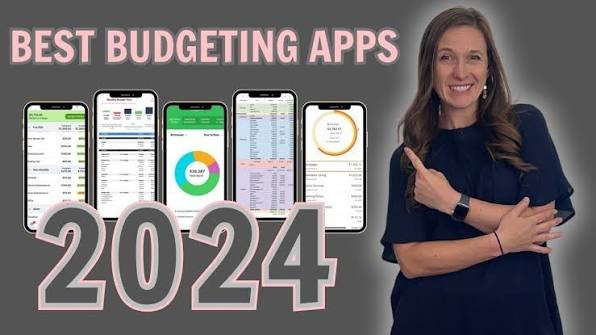
- Budgeting apps like Walnut, Money View, or ET Money
- Your bank’s built-in spend categorization feature
FAQs
How many budget categories should I have? 5-8 broad categories is usually manageable; more than that tends to become tedious and gets abandoned.
Should I budget for irregular expenses like festivals? Yes, average out annual irregular expenses across 12 months and set aside a proportional amount monthly to avoid surprises.
What if I overspend one month? Don’t abandon the budget entirely — simply adjust and get back on track the following month; occasional overspending is normal.
Is it better to budget by category or by percentage of income? Percentage-based budgets (like 50/30/20) scale naturally with income changes, while category budgets need manual adjustment when your income changes.
How do I stay motivated to stick with my budget? Track visible progress toward specific goals (like your emergency fund growing) rather than just restricting spending — progress is more motivating than restriction alone.
Conclusion
Learning how to create a monthly budget that actually works isn’t about perfect discipline — it’s about building a realistic system based on your actual habits, automating what you can, and reviewing often enough to course-correct early. Give it three months before judging whether it’s “working” — the first month is usually just calibration.