
Introduction
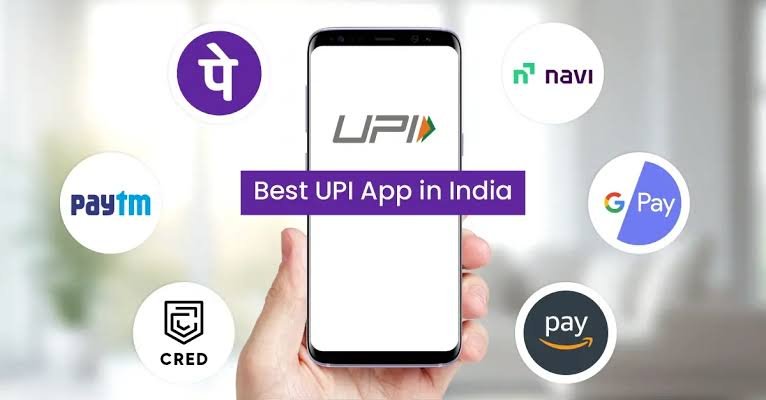
Everyone in India uses UPI these days, from paying the local vegetable vendor to splitting a dinner bill. But with so many options available, which are genuinely the best UPI apps in India right now? Let’s compare the major players honestly, including where each one falls short.
How UPI Apps Actually Work
All UPI apps run on the same underlying NPCI infrastructure — meaning transfers work the same regardless of which app you use. The real differences lie in interface, additional features, rewards, and how each app handles security and customer support.
Since all UPI apps use the same NPCI backbone, transaction speed and reliability are largely similar across platforms — the real differentiators are user interface, rewards programs, and additional financial features.
Google Pay
Known for its clean interface and reliable performance. Google Pay offers scratch card rewards on transactions, bill payment reminders, and integrates well with other Google services. It doesn’t offer as many additional financial products (loans, insurance) compared to some competitors.
PhonePe
PhonePe has expanded well beyond payments — offering mutual fund investments, insurance, and even a stock trading platform (Share.Market) within the same ecosystem. I’ve noticed it’s become something of an all-in-one finance app rather than just a payments tool.
Paytm
Paytm was among the earliest movers in Indian digital payments and still holds a large user base, especially for merchant payments and bill splitting. It also offers Paytm Postpaid (buy now, pay later) and various financial products, though its interface can feel slightly cluttered compared to Google Pay.
Amazon Pay
Tightly integrated with Amazon’s ecosystem, offering solid cashback on Amazon purchases when paid via Amazon Pay UPI. It’s a strong choice if you’re already a heavy Amazon user, though less compelling as a standalone UPI app otherwise.
BHIM
Developed directly by NPCI, BHIM is a no-frills, government-backed option. It doesn’t have flashy rewards, but for users who prioritize a straightforward, ad-free experience without third-party data concerns, it remains a solid pick.
Picture someone who simply wants to send and receive money without being bombarded by cashback offers and app notifications — BHIM genuinely suits that use case best.
Safety Comparison Across Apps
All major UPI apps use two-factor authentication (UPI PIN plus device binding) and are regulated under RBI and NPCI guidelines. Safety differences mostly come down to user behavior — falling for phishing links or sharing OTPs — rather than inherent app vulnerabilities.
[link to related guide on how to stay safe from UPI fraud here]
Which App Should You Actually Use
- For clean interface and reliability: Google Pay
- For an all-in-one finance app (investments, insurance, payments): PhonePe
- For merchant payments and Postpaid: Paytm
- For Amazon-heavy users: Amazon Pay
- For minimal, no-frills experience: BHIM
There’s no single “best” — it genuinely depends on what additional features matter to you beyond basic payments.
FAQs
Is it safe to link my bank account to multiple UPI apps? Yes, this is common and safe, as long as you protect your UPI PIN and don’t share OTPs with anyone.
Which UPI app offers the best cashback? This changes frequently with promotional offers, but Google Pay and PhonePe generally run consistent scratch card and cashback campaigns.
Can I use the same UPI ID across different apps? No, each app typically generates its own UPI ID linked to your bank account, though you can have multiple UPI IDs across different apps.
Do UPI apps charge transaction fees? Personal UPI transactions are generally free; merchant transactions may involve a small fee for the merchant, not the customer.
Is BHIM app less risky than other UPI apps? Not inherently less risky from a technical standpoint, but it does collect less user data for advertising purposes compared to some other apps.
Conclusion
Among the best UPI apps in India, your ideal choice really depends on what you value most — rewards, additional financial features, or pure simplicity. Try two or three and see which interface feels most natural for your daily use. Whichever you pick, the underlying transaction safety remains consistent since they all run on the same NPCI infrastructure.