Introduction
Medical bills in India have climbed steadily, and a single hospitalization can wipe out months of savings if you’re underinsured. So the real question isn’t whether to buy health insurance — it’s how much health insurance cover is genuinely enough. Too little, and you’re still exposed. Too much, and you’re overpaying on premiums unnecessarily.
Factors That Determine Your Ideal Cover
The right health insurance cover depends on your city of residence, age, existing health conditions, family size, and the average cost of treatment for major illnesses in your area — not a single fixed number that works for everyone.
Why City Matters More Than People Realize
Treatment costs in metro cities like Mumbai, Delhi, or Bangalore run significantly higher than in smaller towns. A cardiac surgery that costs ₹3-4 lakh in a tier-2 city could easily cross ₹6-8 lakh in a major metro hospital.
I’ve noticed people in smaller towns sometimes underestimate their needed cover, assuming lower costs will always apply — but many still travel to metro hospitals for serious treatments, where costs jump considerably.
A Practical Starting Benchmark
For individuals in metro cities, a minimum of ₹10-15 lakh cover is a reasonable starting point in 2026. For families opting for a family floater plan, ₹20-25 lakh combined cover offers better protection, especially with rising medical inflation running at 12-15% annually in India.
Picture a family of four in a metro city facing a serious hospitalization — without adequate cover, that single event could consume years of savings that took a decade to build.
Family Floater vs Individual Policies
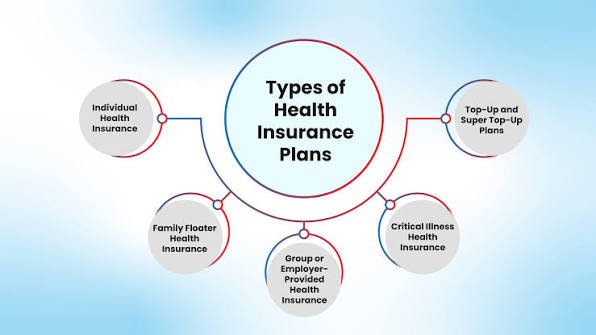
- Family floater: One sum insured shared across all members, usually cheaper overall premium
- Individual policies: Separate sum insured per person, better if one member has significant health risks that could exhaust a shared limit
A family floater plan generally works well for younger families with no major health concerns, while individual policies are safer if one member has a pre-existing condition that could deplete a shared sum insured quickly.
Don’t Forget Super Top-Up Plans
Rather than buying one large base policy, many financial planners recommend a smaller base policy (₹5-10 lakh) combined with a super top-up plan that kicks in after a certain threshold. This combination often works out cheaper than one large base policy alone while achieving similar total coverage.
[link to related guide on super top-up health insurance plans here]
Accounting for Pre-Existing Conditions and Age
If you or a family member has a pre-existing condition, factor in the waiting period (usually 2-4 years) and consider slightly higher cover, since these conditions often come with higher treatment costs down the line. Older family members generally need proportionally higher cover due to increased health risks.
Employer Insurance Isn’t Enough on Its Own
Many people rely solely on employer-provided group health insurance, which is a mistake. Employer health cover typically ends when you leave the job, making an independent personal health insurance policy essential regardless of your workplace coverage. Job changes or layoffs shouldn’t leave you and your family uninsured.
FAQs
Is ₹5 lakh health insurance enough in 2026? For metro cities, ₹5 lakh is often insufficient given rising treatment costs; ₹10 lakh or more combined with a top-up is generally safer.
Should I buy health insurance separately even if my employer provides it? Yes, employer cover usually ends with your job, leaving a gap during transitions or after retirement.
Does a family floater cover parents too? Typically, family floater plans cover spouse and children; parents usually need a separate policy due to age-related premium differences.
What is medical inflation and why does it matter? It’s the annual rate at which healthcare costs rise, currently around 12-15% in India — meaning your cover needs to increase over time to stay adequate.
Can I increase my sum insured later? Yes, most insurers allow you to enhance your cover at renewal, though it may involve fresh underwriting or a waiting period for the increased amount.
Conclusion
Figuring out how much health insurance cover you need isn’t a one-time calculation — it should evolve with your city, family situation, and rising medical costs. Start with a reasonable base policy, add a super top-up for extra protection, and review your cover every few years. It’s genuinely one of the most important financial decisions you’ll make for your family’s security.