Introduction
Jumping into investing can feel intimidating, especially with everyone online talking about stocks doubling overnight. But you don’t need to take huge risks to start building wealth. There are several genuinely solid, best investment options for beginners that carry low risk while still beating inflation over time. Let’s go through them.
Why Start With Low-Risk Options
Starting conservative isn’t about being scared of the market — it’s about building confidence and understanding how investing actually works before taking on more risk. Has this ever happened to you: you invest in something you don’t understand, it dips slightly, and you panic-sell at a loss? Low-risk instruments help you avoid that entirely while you learn.
1. Public Provident Fund (PPF)
PPF is a government-backed 15-year scheme offering tax-free returns, currently around 7.1% annually (rates are revised quarterly). It’s one of the safest instruments available since it’s backed by the Government of India itself.
PPF combines safety, tax benefits under Section 80C, and tax-free maturity — making it one of the best investment options for beginners who want zero market risk.
2. Fixed Deposits (FDs)
FDs remain the go-to choice for cautious investors. Banks currently offer 6.5-7.5% for regular FDs, slightly higher for senior citizens. They’re simple, predictable, and your principal is protected up to ₹5 lakh under DICGC insurance.
I’ve noticed younger investors often dismiss FDs as “boring,” but for short-term goals under 3 years, they’re genuinely hard to beat for safety.
3. Debt Mutual Funds
Debt funds invest in bonds and government securities, offering better liquidity than FDs with moderate risk. Returns typically range 6-8% depending on the fund category. They’re a solid middle ground between FD safety and equity growth potential.
4. Recurring Deposits (RDs)
For someone who wants to build a savings habit with a fixed monthly commitment, RDs work similarly to FDs but let you deposit monthly instead of a lump sum. Great for beginners with irregular but predictable monthly savings capacity.
5. Sovereign Gold Bonds (SGBs)
SGBs let you invest in gold without physical storage worries, and they offer an additional 2.5% annual interest on top of gold price appreciation. Picture someone in Jaipur who traditionally buys physical gold for weddings — SGBs offer the same exposure minus making charges and storage risk.
[link to related guide on gold investment options in India here]
6. Index Funds (Slightly Higher Risk, Still Beginner-Friendly)
If you’re ready to dip a toe into equities, index funds tracking the Nifty 50 or Sensex offer diversified market exposure without the risk of picking individual stocks wrong. They’re not “zero risk” but are considerably steadier than actively managed or sector-specific funds.
Comparing Returns and Risk
- PPF: ~7.1%, very low risk, 15-year lock-in
- FD: 6.5-7.5%, very low risk, flexible tenure
- Debt funds: 6-8%, low-moderate risk, high liquidity
- SGB: gold appreciation + 2.5%, low risk, 8-year tenure
- Index funds: market-linked, moderate risk, no lock-in
FAQs
What is the safest investment option in India? PPF and bank fixed deposits are generally considered the safest due to government backing and deposit insurance.
Can beginners invest in mutual funds directly? Yes, through direct plans on platforms like Groww, Zerodha Coin, or directly via AMC websites.
Is FD better than mutual funds for beginners? FDs offer guaranteed returns; mutual funds offer market-linked but potentially higher returns with some risk. It depends on your risk appetite.
How much should a beginner start investing with? There’s no minimum threshold — SIPs start from ₹500, and RDs from similar amounts. Start with whatever you can commit consistently.
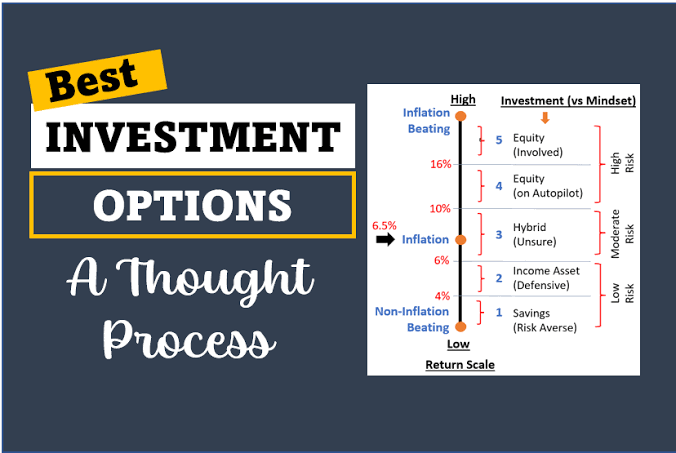
Are low-risk investments enough to beat inflation? Some, like PPF and debt funds, generally beat inflation. Pure savings accounts often don’t.
Conclusion
The best investment options for beginners aren’t about chasing the highest returns immediately — they’re about building the habit and confidence to invest consistently. Start with something safe like PPF or an FD, understand how it grows, and gradually add debt funds or index funds as you get comfortable. Wealth building is a marathon, not a sprint, and low-risk options are a perfectly respectable starting line.