Introduction
Salary hits your account, and within two weeks it’s mysteriously… gone. Sound familiar? The 50/30/20 rule is one of the simplest budgeting frameworks out there, and honestly, its simplicity is exactly why it works for so many people. No spreadsheets, no complicated categories — just three buckets. Let’s see how it actually plays out with real numbers.
What Is the 50/30/20 Rule
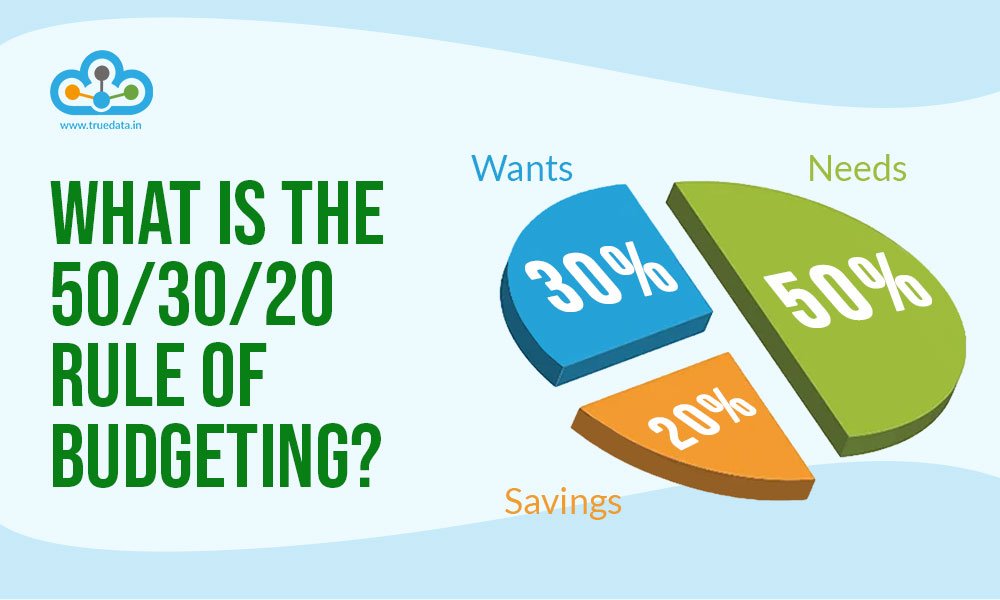
The 50/30/20 rule divides your take-home income into three parts: 50% for needs, 30% for wants, and 20% for savings and debt repayment. It was popularized by US Senator Elizabeth Warren in her book on family finance, but it works just as well with Indian salaries.
Breaking Down the 50% — Needs
This bucket covers rent, groceries, utility bills, EMIs, insurance premiums, and transport. Basically anything you genuinely can’t skip. If your needs are eating up 70% of your salary instead of 50%, that’s usually a sign your rent or EMIs are too high relative to your income — worth reassessing.
For someone earning ₹50,000 a month, that’s ₹25,000 going toward the essentials.
Breaking Down the 30% — Wants
Wants include dining out, subscriptions, shopping, weekend trips, and that Zomato order you didn’t really need. This is the bucket people either overspend wildly on or feel guilty about entirely — neither extreme is healthy.
I’ve noticed the trick isn’t cutting wants to zero, it’s just capping them. On ₹50,000, that’s ₹15,000 for genuinely enjoying your money guilt-free.
Breaking Down the 20% — Savings and Debt
This is where the 50/30/20 rule actually builds your future — SIPs, emergency fund contributions, extra loan prepayments, retirement savings. On a ₹50,000 salary, that’s ₹10,000 monthly.
Even at ₹10,000 a month invested consistently, a 12% average return over 20 years can grow into roughly ₹1 crore — that’s the real power of the 20% bucket.
Adjusting the Rule for Indian Realities
Rent in metro cities like Mumbai or Bangalore often eats more than 30% alone, so the strict 50/30/20 split doesn’t always translate perfectly. A more realistic version for high-rent cities might be 60/20/20 — the goal is the habit, not rigid percentages.
Picture a young professional in Pune paying ₹18,000 rent on a ₹45,000 salary — that’s already 40% gone on rent alone before other needs. In that case, trimming the wants bucket temporarily makes more sense than abandoning the framework entirely.
Tools to Track Your 50/30/20 Split
- A simple Excel or Google Sheets template
- Budgeting apps like Walnut or Money View
- Your bank’s built-in expense categorization feature
[link to related guide on best budgeting apps in India here]
Common Mistakes With This Rule
People often forget to account for annual expenses like insurance premiums or festival spending, which throws off the monthly math. Spread these out mentally across the year rather than letting them blindside your budget in one month.
FAQs
Does the 50/30/20 rule work for irregular income like freelancing? It’s trickier, but you can apply the percentages to your average monthly income over the past 6 months instead.
What counts as a “need” vs a “want”? Needs are non-negotiable for survival and stability — rent, groceries, EMIs. Wants improve quality of life but aren’t essential.
Can I adjust the percentages? Yes, it’s a starting framework, not a strict law. Adjust based on your city, income level, and financial goals.
Should EMIs go under needs or debt savings? Home and vehicle EMIs typically fall under needs since they’re recurring obligations.
Is 20% savings enough for retirement? It’s a solid baseline, but if you’re starting late, you may need to push closer to 25-30%.
Conclusion
The 50/30/20 rule isn’t perfect for every situation, especially in expensive Indian cities, but it gives you a starting point that’s easy to remember and even easier to explain to someone else. Try it for just one month — track where your money actually goes against these three buckets, then adjust. You might be surprised where the leaks are.